Views: 0 Author: Site Editor Publish Time: 2026-01-13 Origin: Site


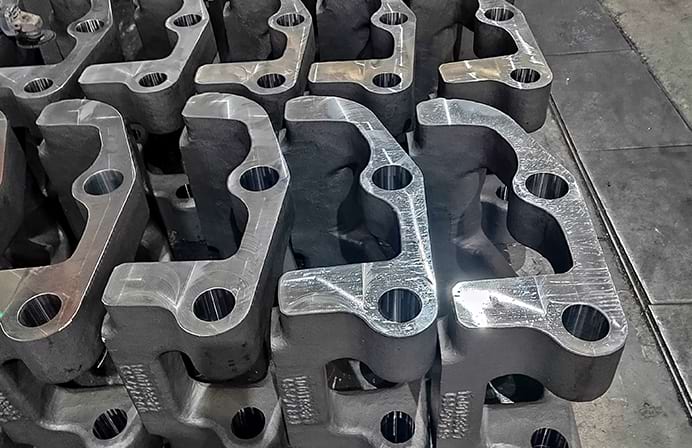
Selecting the right material for pumps and valves is critical to ensuring long-term performance and reliability. Among the various options available, carbon steel casting stands out for its strength, toughness, and cost-effectiveness. In this article, we will explore why carbon steel casting is the preferred choice for many industries and provide guidance on how to select the right carbon steel casting for your pump and valve applications. By understanding the key factors involved, you will be equipped to make informed decisions for optimal performance.
Carbon steel casting is a manufacturing process that involves pouring molten carbon steel into a mold to create pump and valve components. The process allows for the production of complex shapes that are often required for pump casings, valve bodies, impellers, and other essential parts. This material is favored because of its ability to resist high-pressure and high-temperature conditions, making it suitable for a variety of industrial applications.
Common grades used in pump and valve applications include WCB and LCC. These grades offer different levels of strength, toughness, and resistance to wear and corrosion, making them suitable for specific service conditions.
Carbon steel is known for its excellent mechanical properties, including high tensile strength, good toughness, and cost-effectiveness. Compared to other materials like stainless steel or cast iron, carbon steel provides an attractive balance between performance and affordability.
● Strength and Toughness: Carbon steel is capable of handling high stress, making it ideal for pressure-containing applications.
● Cost-Effectiveness: It is often more affordable than other high-performance materials, such as stainless steel.
● Versatility: It is suitable for various applications, including oil, gas, water, and steam.
Comparison with Other Materials:
When selecting materials for pumps and valves, it's important to consider the specific advantages and limitations of each material. Carbon steel offers a great balance of strength, toughness, and cost-effectiveness. Let’s break it down with a table that compares carbon steel to other common materials like stainless steel and cast iron.
Material | Advantages | Disadvantages |
Stainless Steel | Superior corrosion resistance | More expensive compared to carbon steel |
Cast Iron | Suitable for low-pressure applications | Lacks strength and toughness for high-pressure and high-temperature environments |
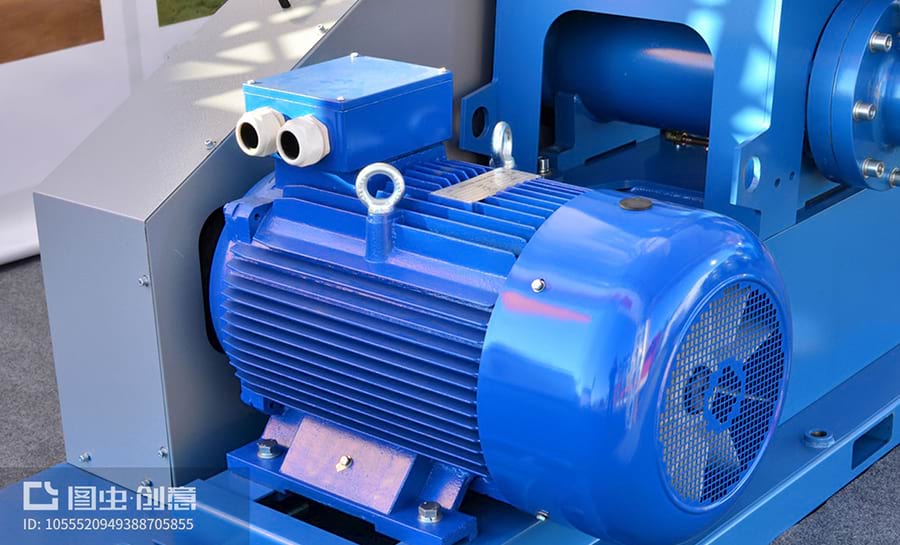
The operating environment plays a crucial role in selecting the right carbon steel casting. Carbon steel is ideal for applications with moderate to high-pressure and temperature conditions. Typically, carbon steel castings can handle temperatures ranging from -29°C to 425°C, depending on the grade.
● High Pressure: Carbon steel is often selected for valves and pumps that operate in high-pressure environments, such as those found in the oil and gas industry.
● High Temperature: The material performs well in environments that experience moderate to high temperatures, making it suitable for steam and petrochemical applications.
Another key consideration is the type of fluid being transported or controlled by the pump or valve. Carbon steel works well in non-corrosive fluids such as water, oil, and air. However, when dealing with corrosive fluids like strong acids, salts, or chemicals, carbon steel may require a protective coating or the use of a different material, such as stainless steel.
Fluid Type | Ideal Fluids | Protection Required |
Non-Corrosive Fluids | Water, Steam, Oil, Air | Minimal additional protection needed |
Corrosive Fluids | Strong Acids, Salts, Chemicals | Protective coatings or replacement material |
When it comes to pumps and valves that are exposed to mechanical stress, vibration, and impact, carbon steel castings are an ideal choice. Let’s break it down with a table that highlights the key aspects of mechanical stress and performance that carbon steel offers for demanding applications.
Performance Aspect | Description |
Mechanical Stress | Carbon steel castings can withstand high mechanical stress, making them ideal for demanding applications like industrial pumps. |
Vibration Resistance | Carbon steel offers excellent resistance to vibration, ensuring the integrity of components even in turbulent environments. |
Tensile strength and yield strength are critical when selecting the right carbon steel casting. Tensile strength refers to the material's ability to resist breaking under tension, while yield strength indicates the stress at which a material starts to deform permanently. Both properties are essential for ensuring that the pump or valve maintains its shape and structural integrity during operation.
● Tensile Strength: Ensures the material can handle the pulling forces exerted in high-pressure and high-stress conditions.
● Yield Strength: Determines the material's ability to maintain its shape and structural stability under prolonged stress.
In demanding environments, impact resistance is essential to prevent premature failure due to mechanical shock or fatigue. Toughness refers to the material’s ability to absorb energy before fracturing. Carbon steel is known for its toughness, making it an excellent choice for applications that involve frequent mechanical stresses, including valves and pumps used in industrial and high-pressure settings.
Maintaining dimensional stability is crucial for ensuring the proper functioning of pumps and valves over time. Carbon steel castings are resistant to dimensional changes due to temperature fluctuations and stress, ensuring long-term performance. Additionally, carbon steel exhibits wear resistance, which is especially important in applications where solid particles may be present in the fluid.
● Wear Resistance: Ensures the material can endure abrasive conditions without significant wear or degradation.
● Dimensional Stability: Guarantees that the pump or valve maintains its shape and functional integrity throughout its service life.
Ensuring that the carbon steel casting complies with recognized industry standards is essential for safety, reliability, and performance. Some of the most common standards for pump and valve applications include ASTM (American Society for Testing and Materials), ASME (American Society of Mechanical Engineers), and API (American Petroleum Institute). These standards guarantee that the castings meet specific criteria for strength, quality, and safety.
● ASTM Standards: ASTM A216 for general-purpose applications (WCB, WCC), ASTM A352 for low-temperature applications.
● API Standards: Ensure that the materials meet the necessary performance criteria for petroleum and petrochemical industries.
Different grades of carbon steel are suitable for various applications. The most common grades used for pump and valve castings include:
Grade | Application | Characteristics |
WCB | General-purpose for steam, water, and oil services | Suitable for moderate conditions, widely used in various industries |
LCC | Low-temperature environments | Offers superior impact resistance, ideal for cryogenic conditions |
WCC | High-pressure applications | Provides good strength and toughness, suitable for high-stress environments |
In carbon steel manufacturing, two primary casting methods are commonly used: sand casting and investment casting. Each method offers unique benefits depending on the application. Let’s break it down with a table that compares these two casting methods.
Casting Method | Cost | Precision | Ideal Use |
Sand Casting | Less expensive | Lower precision | Suitable for larger volumes and simple components |
Investment Casting | More expensive | High precision and surface finish | Ideal for intricate components with higher precision requirements |
To ensure the integrity and safety of the carbon steel castings, rigorous quality control measures must be implemented. This includes Non-Destructive Testing (NDT) like radiographic testing, which ensures that no internal flaws exist, and pressure testing to verify that the components can withstand high-pressure conditions without leakage.
● Non-Destructive Testing (NDT): Ensures the casting’s structural integrity without damaging the material.
● Pressure Testing: Verifies that the castings can withstand high-pressure environments without failure.
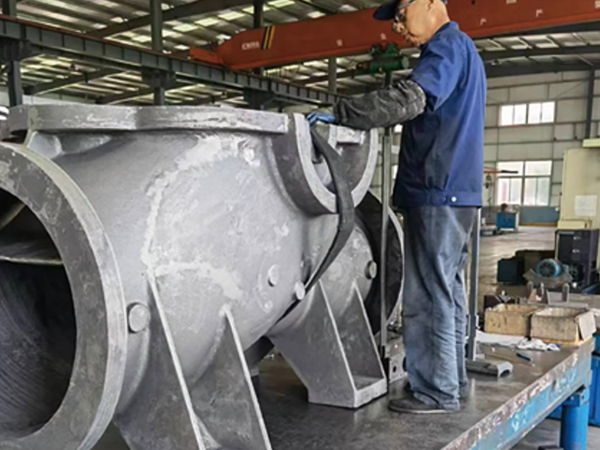
To ensure that the selected carbon steel casting is suitable for your pump or valve application, it is crucial to consider the operational environment, including temperature, pressure, and fluid type. Choosing the right grade of carbon steel can significantly impact the component’s lifespan and performance.
● High-Pressure Applications: Select carbon steel grades with high tensile strength, like WCC, for pressure-heavy applications.
● Corrosive Fluids: Consider protective coatings or alternative materials like stainless steel when dealing with corrosive media.
Selecting the right supplier is essential to ensuring that your carbon steel castings meet the required specifications. Look for suppliers with experience in pump and valve casting and those who can provide comprehensive quality control measures, including NDT capabilities. Certifications such as ISO 9001 guarantee that the supplier adheres to international quality standards.
Choosing the right carbon steel casting for pumps and valves is vital for ensuring performance and durability. By considering factors like operating conditions, fluid type, mechanical stress, and material properties, you can ensure optimal performance in demanding environments. Consulting with experts like Jinhong Shukong Machinery Casting Co., Ltd. ensures you select the most suitable casting. Their products, built with industry standards in mind, provide long-lasting reliability and high performance in industrial applications.
A: Carbon steel casting is a manufacturing process where molten carbon steel is poured into molds to create pump and valve components. It is known for its strength, toughness, and cost-effectiveness.
A: Carbon steel casting offers a great balance of strength and durability, making it ideal for high-pressure and high-temperature applications. It is also cost-effective compared to materials like stainless steel.
A: The right Carbon Steel Casting depends on the operational conditions such as pressure, temperature, and the type of fluid being handled. Consider the specific grade, like WCB or LCC, for your needs.
A: Carbon steel casting works well with non-corrosive fluids like water and oil. For corrosive environments, additional coatings or stainless steel may be more suitable.
A: Carbon steel casting provides excellent mechanical strength and toughness, is more affordable than stainless steel, and is versatile for a range of applications, including steam, oil, and water services.
A: The two main methods are sand casting, which is cost-effective for larger volumes, and investment casting, which offers higher precision for more complex components.