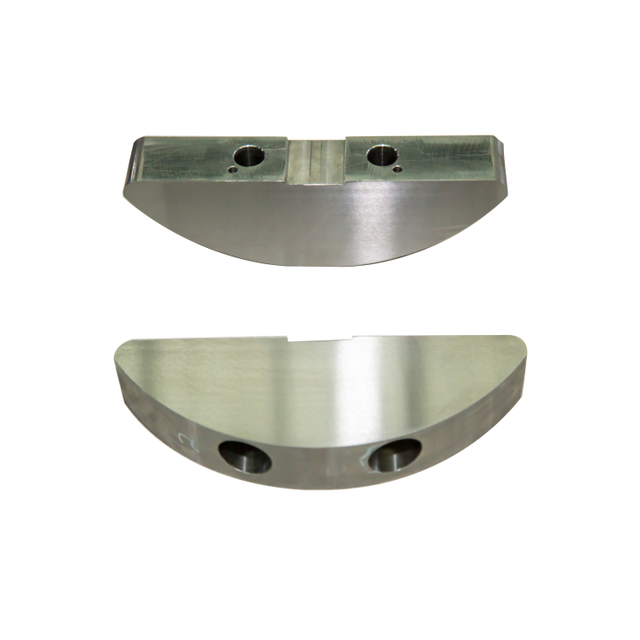
Views: 0 Author: Site Editor Publish Time: 2026-01-23 Origin: Site


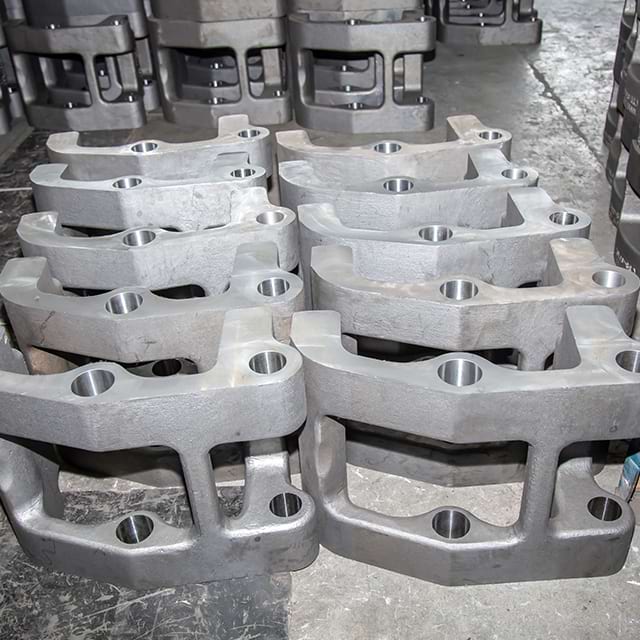
Carbon steel casting is a crucial material in the energy and chemical industries. It offers the perfect balance of strength, durability, and cost-effectiveness. As equipment faces high pressures, temperatures, and harsh chemicals, carbon steel castings provide the reliability needed. These castings are not only cost-efficient but also versatile for various applications, making them essential for critical infrastructure.
In this article, we will explore the core benefits of carbon steel casting. You will learn how it contributes to energy and chemical equipment, ensuring performance, cost savings, and sustainability in industrial applications.
Carbon steel casting involves pouring molten carbon steel into molds to form specific shapes. This process is essential for creating durable, high-strength components that can withstand harsh operational environments. Once cooled and solidified, the castings are shaped to meet precise specifications, making them ideal for complex industrial applications.
Carbon steel can be categorized into three main types based on its carbon content, each offering distinct properties:
● Low Carbon Steel: Contains up to 0.3% carbon, offering high ductility and ease of welding. It’s ideal for general machinery, automotive components, and structural parts.
● Medium Carbon Steel: Contains 0.3% to 0.6% carbon, providing a balance of strength and toughness. Commonly used for gears, shafts, and axles.
● High Carbon Steel: Contains 0.6% to 1.5% carbon, making it hard and wear-resistant. This type is used for tools, dies, and high-strength wires.
Components in the energy and chemical industries face extreme stress and high pressures. For example, valves in pipelines must withstand high-pressure fluid flows. Carbon steel casting offers the strength needed to ensure these components perform reliably. The table below shows key components and why carbon steel is ideal for handling such demanding conditions.
Component | Application | Required Strength Characteristics | Why Carbon Steel is Ideal |
Pumps | Pumping fluids under high pressure | High tensile strength and resistance to stress | Carbon steel provides durability under continuous pressure. |
Valves | Regulating fluid flow in pipelines | Ability to withstand high-pressure fluid flows | Carbon steel castings handle high-pressure environments well. |
Pressure Vessels | Containing gases or liquids under high pressure | Superior tensile strength and resistance to deformation | Carbon steel ensures strength and stability in high-pressure situations. |
Durability is one of carbon steel’s standout features. In industries such as oil and gas, equipment faces not only mechanical stress but also thermal fatigue. Carbon steel’s inherent durability makes it suitable for applications where reliability and longevity are essential, reducing the need for frequent replacements and maintenance.

Compared to stainless steel and alloy steels, carbon steel is more affordable, making it an excellent choice for large-scale manufacturing. It provides the same durability and strength, yet at a significantly lower cost. This makes it ideal for projects where budget constraints are a concern.
Large-scale industrial projects, such as power plants or chemical processing facilities, often require significant quantities of materials. Carbon steel’s cost-effectiveness and widespread availability allow for more efficient use of resources, reducing both material waste and overall project costs.
● Example: in the construction of industrial infrastructure, carbon steel castings help optimize budget allocation without compromising quality.
Carbon steel offers an ideal balance of cost and performance. While stainless steel may offer superior corrosion resistance, carbon steel is a practical and cost-effective alternative for many industrial applications where corrosion resistance is less critical, making it a great choice for the energy and chemical industries.
The casting process of carbon steel allows manufacturers to create intricate and complex shapes that would otherwise require expensive secondary machining. This flexibility is crucial in industries where specialized, custom components are needed. For example, in the design of pressure vessels and valves, carbon steel castings enable the creation of complex geometries without significant added costs.
Carbon steel can be customized to meet the specific demands of each application by altering its carbon content or applying heat treatments. This customization allows for adjustments in hardness, ductility, and wear resistance, ensuring the material meets the precise requirements of various components, from chemical reactors to turbine blades.
Feature | Benefit |
Design Complexity | Enables complex shapes without extra machining |
Customization | Tailor properties like hardness and wear resistance |
Carbon steel has a long history of successful use in the energy and chemical sectors. It has been the material of choice for critical infrastructure, such as pipelines, storage tanks, and pressure vessels. Its proven ability to handle extreme stress, high temperatures, and corrosive environments makes it an indispensable material in these industries.
Numerous real-world applications showcase carbon steel’s performance under harsh conditions. For example, carbon steel castings are commonly used in oil extraction equipment, where they endure extreme temperatures and pressures. Similarly, in power plants, carbon steel turbines and valves have demonstrated reliability in high-stress environments.
Component | Application | Performance Feature |
Pipelines | Transporting fluids | Withstands high pressures and stress |
Storage Tanks | Holding liquids/gases | Endures extreme temperatures and corrosion |
Turbines | Power generation | Reliable under high-stress conditions |
Oil Extraction | Equipment durability | Performs under extreme temperature/pressure |
While carbon steel is prone to corrosion, its performance in harsh environments can be significantly enhanced with protective coatings or linings. These coatings provide an added layer of protection, allowing carbon steel to endure environments that would otherwise cause corrosion.
● Example: carbon steel pipes in chemical plants are often coated with protective layers to ensure their longevity.
The application of coatings, such as epoxy or ceramic, can improve the corrosion resistance of carbon steel castings, giving them a “stainless-like” lifespan at a fraction of the cost. These coatings can withstand aggressive chemicals and abrasive environments, ensuring the continued reliability of industrial equipment.
Carbon steel castings are used in various extreme environments, from offshore oil rigs to chemical processing plants. The adaptability of carbon steel, when combined with appropriate coatings, ensures its long-term performance, making it a cost-effective choice in industries where equipment is exposed to corrosive chemicals and high-pressure systems.
One of the key environmental advantages of carbon steel is its high recyclability. Unlike other materials that degrade with repeated recycling, carbon steel retains its mechanical properties even after being melted and reused. This contributes to sustainability by reducing the need for raw materials and lowering overall energy consumption.
Advancements in low-carbon steelmaking techniques have improved the energy efficiency of the manufacturing process. The use of renewable energy sources and improvements in smelting technology have further reduced the environmental impact of producing carbon steel, making it a more sustainable option for industrial applications.
Carbon steel’s role in the circular economy is significant. Its recyclability helps reduce waste and promote the reuse of materials, which is a key component of sustainable industrial practices. As industries worldwide push for greener manufacturing practices, carbon steel plays a critical role in meeting these goals.
Aspect | Benefit |
Recyclability | Reduces raw material use and energy consumption |
Manufacturing | Improved energy efficiency and lower impact |
Eco-Friendliness | Promotes waste reduction and material reuse |
Carbon steel casting is essential in the energy and chemical industries. It offers strength, cost-effectiveness, and versatility for both heavy-duty and custom components. Proven performance, adaptability to harsh environments, and sustainability make it vital for critical infrastructure. Jinhong Shukong Machinery Casting Co., Ltd. provides high-quality carbon steel castings that meet industrial demands, offering products designed for long-lasting reliability and performance in challenging conditions.
A: Carbon steel casting involves pouring molten carbon steel into molds to form components. It is widely used in the energy and chemical industries for equipment that requires high strength, durability, and resistance to harsh conditions.
A: Carbon steel casting is valued for its strength, cost-effectiveness, and versatility. It withstands high pressures and extreme temperatures, making it ideal for heavy-duty applications in these industries.
A: Compared to stainless steel or alloy steel, carbon steel casting is more affordable and offers similar performance in many industrial applications. It provides excellent strength and durability at a lower cost.
A: Carbon steel casting offers superior strength, durability, and customization options. It is also cost-effective and performs well in extreme environments, making it an ideal material for industrial machinery.
A: While carbon steel is prone to corrosion, protective coatings can enhance its resistance. This makes it suitable for use in corrosive environments like offshore oil rigs and chemical processing plants.
A: Carbon steel casting is highly recyclable, reducing raw material consumption. It supports sustainability goals by offering long service life, minimizing waste, and reducing energy consumption in manufacturing processes.