

Views: 0 Author: Site Editor Publish Time: 2025-10-30 Origin: Site


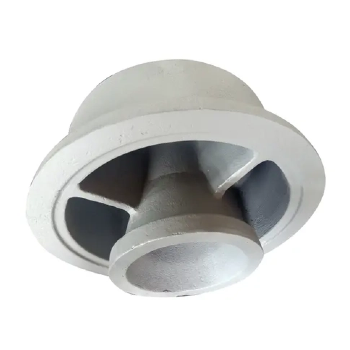
Sand casting, also known as sand molding, is one of the oldest and most versatile methods of casting metal. Despite the advent of modern technologies, sand casting remains an essential process in industries like automotive, aerospace, and manufacturing. It is widely used to produce metal parts ranging from small, intricate components to large, heavy-duty industrial equipment.
In this article, we will explore the sand casting process in detail, breaking down each step and explaining its key components. Whether you're a beginner looking to learn the basics or a professional seeking to deepen your understanding, this guide will provide you with everything you need to know about sand casting.
Sand casting is a metal casting process in which molten metal is poured into a mold made of sand to produce a desired shape. The mold is created by packing sand around a pattern (a model of the final part), which is then removed to leave a cavity. Once the cavity is formed, molten metal is poured into the mold to fill the space. After the metal cools and solidifies, the mold is broken apart to reveal the cast part.
The simplicity and versatility of the sand casting process make it a go-to method for many industries, especially when producing complex or large-scale metal components.
Before diving into the step-by-step process, let’s understand the essential components involved in sand casting:
Pattern: A model of the object you wish to cast, usually made of metal, wax, or plastic. The pattern is slightly larger than the final part to account for the metal’s shrinkage during cooling.
Mold: The cavity formed in the sand mixture, which defines the shape of the final casting. Molds are made by packing sand around the pattern.
Core: Used to create hollow features or internal passages in the cast part, cores are inserted into the mold before pouring the metal.
Binder: A material (often clay or resin) used to hold the sand particles together, ensuring the mold stays intact during the pouring process.
Molten Metal: The liquid metal that is poured into the mold and allowed to cool and solidify into the desired shape.
Finishing: After the casting has cooled, the mold is broken away, and the cast part may need to be cleaned, machined, or polished to achieve the final finish.
The first step in sand casting is to create the pattern, which is a replica of the final part. The pattern must be made slightly larger than the desired finished piece to account for the shrinkage of the metal during the cooling process.
Material Choices for Patterns: Patterns can be made from a variety of materials depending on the size, complexity, and number of castings needed. Common materials include:
Wood: Common for large, simple patterns.
Metal: Durable and used for high-precision patterns.
Plastic or Wax: Used for smaller or more intricate patterns.
Shrinkage Allowance: Since metals shrink as they cool, a shrinkage allowance must be considered during pattern creation. This ensures the final part maintains the correct dimensions.
Pattern Design: The pattern should include all the features that the final casting will have, including holes, grooves, and other necessary features. If internal features are required, cores will be used.
Once the pattern is ready, the next step is to create the mold. The mold is formed by packing sand around the pattern. The type of sand and the method of packing depend on the material being cast and the complexity of the part.
Types of Sand: The sand used for molding is typically a mixture of sand, clay, and water. The most commonly used sand is "green sand," which contains clay and moisture. Green sand is ideal for most general-purpose castings.
Two-Part Mold (Cope and Drag): Most molds are made in two parts:
Drag: The bottom half of the mold.
Cope: The top half of the mold.
These two parts are assembled to form a complete mold. The pattern is placed in the drag section, and sand is packed around it. Then, the cope is placed on top, and more sand is packed to create the full mold cavity.
Parting Line: The line where the cope and drag meet is called the parting line. It’s essential that the parting line is well-defined, as it will separate the two parts of the mold after the casting process is complete.
Mold Strength: The strength of the mold is important to prevent collapse during the pouring of the molten metal. The sand must be compacted to the right density to withstand the pressure of the molten metal.
Some castings require internal cavities or complex features that cannot be created by the mold alone. These hollow spaces are created using cores, which are inserted into the mold before pouring the molten metal.
Core Materials: Cores are often made from the same sand mixture as the mold but may have a stronger binder to withstand the heat of the molten metal. In some cases, cores may be made from metal for high-strength applications.
Core Placement: Cores are positioned inside the mold to ensure that the desired internal cavities or passageways are formed. Proper placement of cores is essential to prevent misalignment and ensure the correct shape of the final casting.
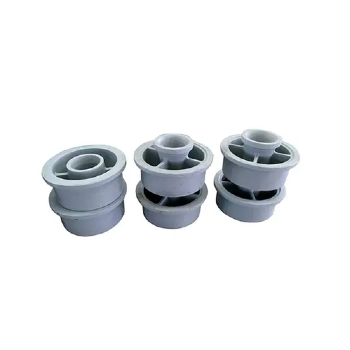
Once the mold and core (if required) are prepared, it’s time to melt the metal and pour it into the mold.
Melting Furnace: The metal is heated in a furnace until it reaches the appropriate temperature for pouring. The furnace type and temperature control depend on the metal being cast. Common metals for sand casting include aluminum, cast iron, steel, and copper alloys.
Pouring the Metal: The molten metal is poured into the mold cavity. This step requires precision to ensure that the mold fills evenly and completely. The molten metal must be poured carefully to avoid turbulence or air pockets, which can affect the quality of the casting.
Pouring Rate: The pouring rate is carefully controlled to ensure that the mold is filled properly without causing overflows or defects. Too slow a pour may lead to incomplete mold filling, while too fast a pour can cause turbulence or spillage.
After the molten metal is poured into the mold, it starts to cool and solidify. The cooling process can take anywhere from a few minutes to several hours, depending on the size of the casting and the type of metal used.
Cooling Time: The cooling rate is essential to the final quality of the casting. Rapid cooling can cause stresses or cracks, while slow cooling may lead to irregular grain structures in the metal.
Shrinkage: As the metal cools, it contracts. This shrinkage is accounted for in the design of the pattern. If the cooling is too rapid, cracks or voids may form in the casting.
Once the metal has cooled and solidified, the mold is broken apart to reveal the casting. This process is typically done through vibration or mechanical shaking, which loosens the sand. The casting is then removed, and the excess material (such as sprues or runners) is cut off.
Sand Removal: The casting is cleaned by removing any remaining sand or mold material. This is usually done through sandblasting, water washing, or other cleaning methods.
Excess Metal Removal: The sprues, gates, and risers (extra metal used to channel the molten metal into the mold) are removed through cutting or grinding. This process ensures that the final casting has the proper shape and is free from unnecessary material.
After the casting is cleaned, it may need additional processes such as machining, grinding, or polishing to achieve the final product. These processes are necessary to ensure that the part meets the desired specifications in terms of size, shape, and surface finish.
Inspection: The final casting is inspected for any defects, such as cracks, porosity, or improper dimensions. Non-destructive testing methods, such as X-ray or ultrasonic testing, may be used to check for internal defects.
Machining: Depending on the tolerance requirements, the casting may undergo machining processes like turning, milling, or drilling to achieve the desired dimensions and finish.
Cost-Effective: Sand casting is a low-cost method, especially for low-volume production or one-off custom parts.
Versatility: It can be used with a wide range of metals, including ferrous and non-ferrous alloys.
Large Parts: Sand casting can produce both small and large components, including engine blocks, machine parts, and large industrial equipment.
Complex Shapes: Sand casting allows for the creation of intricate shapes and features that may not be possible with other methods.
Surface Finish: Sand-cast parts often have a rough surface, which may require additional post-processing.
Dimensional Accuracy: While sand casting is versatile, it is less precise than other casting methods like die-casting or investment casting.
Labor-Intensive: The process can be labor-intensive, especially when preparing patterns, molds, and cores manually.
Sand casting is a versatile and cost-effective method of producing metal parts that continues to be widely used across industries. With its ability to create complex shapes, handle a variety of metals, and accommodate both small and large parts, sand casting remains an essential process in metalworking. By understanding the individual steps and components involved, businesses and hobbyists alike can leverage sand casting to produce high-quality parts while keeping costs low and flexibility high.


