

Views: 0 Author: Site Editor Publish Time: 2025-10-22 Origin: Site


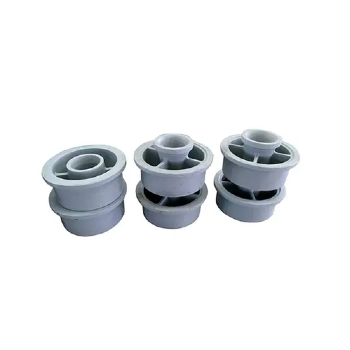
Sand casting is one of the oldest and most versatile metalworking processes, and it continues to play a vital role in modern manufacturing. The process involves pouring molten metal into a mold made from sand, where it solidifies to form a specific shape. This method allows for the creation of a wide range of metal parts, from small and intricate components to large and complex machinery pieces. Whether in industries like automotive, aerospace, construction, or energy, sand casting remains essential for producing durable and high-quality parts.
In this article, we will explore what sand casting is used for, its applications across various industries, the benefits of sand casting, and its overall importance in manufacturing.
Sand casting is a metal casting process in which molten metal is poured into a mold made of sand. The sand mold is formed around a pattern that mirrors the desired part shape. Once the mold is formed and the metal has been poured, the metal solidifies, and the mold is broken to reveal the finished part.
The process is cost-effective and versatile, making it suitable for a wide variety of metal types and part sizes. Sand casting is especially effective for producing parts with complex geometries, internal cavities, and intricate features. The versatility of the process, its ability to accommodate large quantities of production, and its cost-effectiveness are just a few of the reasons why it is still widely used today.
The automotive industry relies heavily on sand casting for the production of engine components, transmission housings, and other crucial parts. Sand casting offers the precision needed for automotive applications, ensuring that each part is durable, high-quality, and capable of withstanding harsh conditions.
Engine Blocks: One of the most common uses of sand casting in the automotive industry is the production of engine blocks. These blocks need to be robust, have precise dimensions, and be able to withstand the internal combustion process.
Cylinder Heads: Sand casting is also used for manufacturing cylinder heads, which need to endure extreme heat and pressure. The process allows for intricate designs and the creation of internal cooling channels.
Transmission Housings: Transmission housings are often cast using sand casting. The ability to form complex shapes makes sand casting ideal for creating these large, heavy-duty parts.
In the aerospace industry, where precision, strength, and reliability are critical, sand casting is used to produce components like turbine blades, structural components, and casings. The ability to create parts with intricate internal passages and cooling systems is especially beneficial for the aerospace sector.
Turbine Components: Sand casting is often used to produce turbine blades and other components for jet engines. The process can create parts with fine detail and high tolerance, which is critical for these high-performance applications.
Structural Frames: Sand casting is employed to manufacture structural components for aircraft, such as landing gear components, brackets, and frame parts. These components must be lightweight yet durable and able to handle significant stress.
Engine Casings: Engine casings made using sand casting must meet specific standards for strength, heat resistance, and fatigue resistance. This is especially important in aviation, where component failure can have severe consequences.
The construction and heavy equipment industries make extensive use of sand casting to create parts for machinery, vehicles, and other heavy-duty applications. Large, durable parts are often required for excavators, cranes, and bulldozers, making sand casting an ideal process.
Cranes and Excavators: Sand casting produces large, heavy-duty components such as gears, shafts, and frames for construction machinery. The ability to produce intricate shapes with high strength is crucial for the demanding environment of construction sites.
Track Components: Track links, rollers, and idlers used in construction vehicles like bulldozers and tractors are often produced through sand casting. These parts must be strong and able to endure harsh working conditions.
Load-Bearing Parts: Sand casting is used to create structural components in heavy equipment that must support significant weight and endure long periods of wear and tear.
The energy and power generation industry uses sand casting for creating components that must withstand high temperatures, pressures, and mechanical stresses. From power plants to renewable energy systems, sand casting is integral in producing robust components.
Turbine Parts: Sand casting is commonly used in the manufacturing of parts for power plant turbines. These components require strength, heat resistance, and the ability to endure high pressures, making sand casting an effective method for their production.
Valves and Piping Components: In both fossil-fuel and renewable energy plants, sand casting is used to produce valves, flanges, and pipe fittings. These parts are crucial for controlling the flow of gases, liquids, and steam in energy production processes.
Hydroelectric Components: In hydroelectric power plants, large components like dam gates and water turbines are often manufactured using sand casting. These parts must be corrosion-resistant and able to handle high-pressure water flows.
Sand casting is a versatile process used to create components for industrial machinery, from large pumps and gears to smaller, more intricate parts like valve bodies and couplings. Its ability to create durable, high-precision parts for complex machinery makes it an ideal choice for the industrial sector.
Pumps and Compressors: Sand casting is commonly used to manufacture pump housings, impellers, and compressor parts. These components are subjected to continuous wear and must perform reliably over time, making sand casting an excellent option for producing them.
Valves: Valves used in a wide range of industrial applications are often produced using sand casting. These parts need to be resistant to corrosion, wear, and pressure, which is achieved through the sand casting process.
Machine Frames and Supports: Industrial machinery often relies on large castings for its frame and structural supports. Sand casting offers the ability to produce large and complex parts with high strength.
The marine industry also benefits from sand casting, with applications ranging from the creation of boat propellers to engine blocks for ships and yachts. Sand casting’s ability to handle large, durable parts makes it particularly useful in this sector.
Boat Propellers: Sand casting is used to manufacture boat propellers, which require excellent corrosion resistance and strength to handle the harsh marine environment.
Ship Parts: Sand casting is also used to produce parts for larger ships, including engine blocks, shafts, and rudder components. These parts must endure constant exposure to water, salt, and extreme conditions.
Deck Machinery: Sand casting is used to create various components for deck machinery on ships, such as winches, cranes, and anchor components.
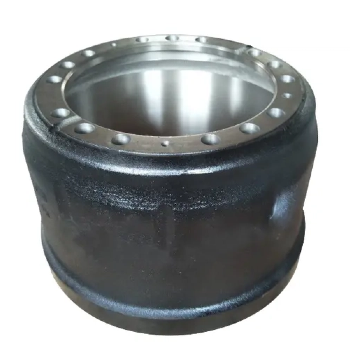
Sand casting is a cost-effective process for both low and high-volume production. The materials used in the process, such as sand, are relatively inexpensive, and the molds can be easily created and reused multiple times, lowering costs further.
One of the key advantages of sand casting is its ability to produce large, complex parts. The sand mold can be shaped to create intricate and detailed designs, making it ideal for parts that other casting methods might struggle with.
Sand casting can be used with a wide range of metals, including ferrous and non-ferrous alloys. This versatility makes it suitable for various applications, including those that require high-strength or heat-resistant metals.
Sand casting can accommodate a wide range of part sizes, from small, intricate components to large, heavy-duty parts used in industries like construction and energy production.
Due to its simplicity and the availability of inexpensive materials, sand casting can be completed in relatively short lead times compared to other manufacturing methods. This makes it suitable for applications where time is of the essence.
Sand casting remains one of the most widely used and versatile metal casting processes, essential for industries that require high-quality, durable parts. Its ability to handle both large and small parts, as well as its cost-effectiveness, makes it an indispensable tool in automotive, aerospace, energy, and industrial manufacturing.
Whether you are involved in producing complex engine parts, heavy-duty construction equipment, or turbine blades for the aerospace industry, sand casting is likely to play a critical role in your production process. As industries continue to grow and evolve, the importance of sand casting remains unwavering, providing manufacturers with an efficient, cost-effective way to create a wide variety of essential metal components.
For companies looking to leverage sand casting for their manufacturing needs, Jinhong Shukong Machinery Casting Co., Ltd. offers high-quality, durable casting solutions. With years of experience and a commitment to excellence, they provide tailored sand casting services that meet the demands of various industries and applications.


