Views: 0 Author: Site Editor Publish Time: 2026-01-28 Origin: Site


Marine and offshore engineering are faced with extreme conditions. Saltwater, pressure, and temperature variations demand materials that can withstand these forces. Stainless steel casting has emerged as a solution, offering durability and resistance in these harsh environments.
In this article, we will explore why stainless steel casting is widely used in marine and offshore sectors. You’ll learn about its exceptional benefits, applications, and future trends that make it the material of choice in these industries.
The most significant challenge in marine and offshore environments is corrosion, especially from saltwater and chlorides. Stainless steel is naturally resistant to corrosion, largely due to its chromium content. Chromium reacts with oxygen in the environment to form a thin, self-healing oxide layer on the metal's surface, preventing further oxidation and protecting against rust.
● Marine Alloys (316): Stainless steel grade 316 is known for its excellent corrosion resistance in seawater, enhanced by molybdenum to prevent pitting and crevice corrosion.
● Duplex Stainless Steel: Duplex alloys combine austenitic and ferritic structures for higher strength and better corrosion resistance in marine environments.
● Super Duplex Stainless Steel: Super Duplex alloys have higher levels of molybdenum and chromium, offering superior resistance to corrosion and stress cracking in extreme marine conditions.
Marine components often experience extreme mechanical stress and fatigue due to waves, currents, and operational pressures. Stainless steel castings provide excellent tensile strength, allowing them to withstand harsh conditions without failing. This makes stainless steel ideal for critical components like pumps, valves, and structural frameworks.
Whether it's a valve exposed to high pressure or a pump subjected to continuous wear, stainless steel’s ability to retain its strength under stress ensures the longevity of key marine components.
Offshore platforms and marine vessels operate in environments with wide temperature variations. Stainless steel casting can perform reliably across a broad temperature range, making it suitable for applications in cold seas or hot industrial processes. The material’s toughness ensures that it won't degrade under thermal cycling or temperature extremes.
Core Advantages | Key Support |
Exceptional Corrosion Resistance | Chromium oxide layer; 316/duplex/super duplex alloys. |
High Strength & Durability | Resists mechanical stress; suits critical components. |
Extreme Temperature Performance | Stable across wide temperature ranges; performs in cold seas and hot processes. |
Casting provides the ability to manufacture intricate, high-precision parts that might be impossible to achieve through other methods. For example, components such as propellers, valve bodies, and pump housings are often cast using stainless steel. The casting process allows for fine details, complex geometries, and a reduction in material waste.
● Example: Stainless steel casting enables the production of complex parts like propellers, where fluid dynamics and resistance to biofouling are crucial. This ability to create detailed parts contributes to the efficiency and reliability of marine and offshore systems.
While stainless steel may have a higher initial cost than other materials like carbon steel, its durability and minimal maintenance requirements offer long-term cost savings. The casting process also minimizes waste and reduces the need for secondary machining, making it an efficient manufacturing method.
Casting allows for near-net shape production, which reduces the need for extensive post-production machining. This not only cuts down on material waste but also shortens the manufacturing time.
Core Advantages | Key Support |
Complex Component Production | Enables production of intricate parts like propellers, valve bodies, and pump housings. |
Cost-Effectiveness & Material Efficiency | Reduces material waste; minimizes secondary machining and manufacturing time. |
Stainless steel castings typically offer a longer lifecycle compared to other materials. While the initial investment might be higher, the long-term benefits are clear. The material’s resistance to corrosion and wear minimizes the need for frequent repairs, making it a cost-effective choice for marine and offshore engineering.
The low maintenance needs of stainless steel mean that components like pumps and valves can operate for years without needing replacement, reducing downtime and maintenance costs.
As environmental concerns grow, sustainability has become a priority in engineering. Stainless steel is highly recyclable, aligning with eco-friendly practices. It can be recycled multiple times without losing its integrity, making it an environmentally responsible material choice. Additionally, stainless steel’s resistance to biofouling ensures that marine and offshore components remain clean and functional, contributing to better environmental outcomes.
Core Advantages | Key Support |
Long Lifecycle & Low Maintenance | Reduces the need for repairs; components last longer, reducing downtime. |
Sustainability & Environmental Impact | Recyclable multiple times without losing integrity; resists biofouling. |
Stainless steel castings are extensively used in marine environments where durability and corrosion resistance are critical. Key applications include:
● Propellers: Stainless steel’s strength and resistance to corrosion make it ideal for marine propulsion systems.
● Anchors and Shackles: These components require high tensile strength and resistance to harsh environments.
● Pumps and Valves: Essential for maintaining fluid systems, stainless steel castings offer reliability in high-stress, corrosive conditions.
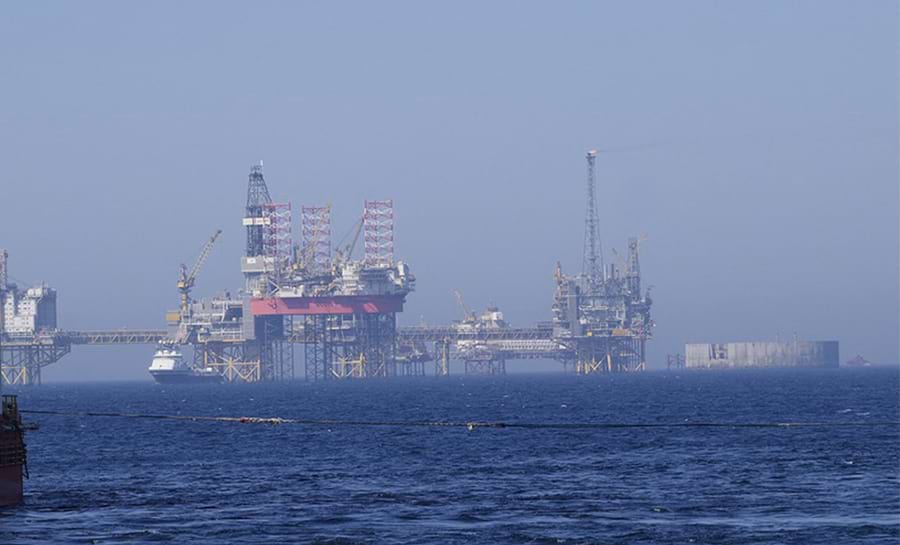
Offshore platforms and rigs are often subjected to extreme pressures and saltwater exposure. Stainless steel is used in various offshore infrastructure components, including:
● Risers, Winches, and Safety Barriers: These are vital for maintaining safety and efficiency in offshore drilling operations.
● Platform Structural Components: Stainless steel ensures the longevity and structural integrity of platforms in harsh marine environments.
Stainless steel castings are crucial in ensuring that components used in offshore oil rigs remain safe and reliable. These components are exposed to constant wear and extreme environmental conditions, making stainless steel the material of choice for high-performance applications.
Sector | Key Applications |
Marine Sector | Propellers, anchors, shackles, pumps, valves. |
Offshore Sector | Risers, winches, safety barriers, platform structural components. |
Marine environments are notorious for being some of the most corrosive in the world. Saltwater, moisture, and oxygen create an environment that accelerates metal degradation. Stainless steel’s corrosion resistance comes from its chromium content, which forms a protective oxide layer that prevents further corrosion.
Key Corrosion Types in Marine Environments:
Corrosion Type | Description |
Pitting Corrosion | Localized corrosion that creates small pits on the metal surface. |
Crevice Corrosion | Occurs in shielded areas, such as joints and gaps, where saltwater is trapped. |
Stress Corrosion Cracking | Cracking caused by the combined effect of mechanical stress and corrosion. |
The self-healing properties of stainless steel are one of its most significant advantages. If the surface of a stainless steel component is scratched, the chromium oxide layer can repair itself when exposed to oxygen. This self-repairing nature ensures that stainless steel castings maintain their protective barrier even in harsh conditions.
The demand for more resilient materials in marine and offshore engineering has led to the development of advanced stainless steel alloys. Super duplex stainless steels, for example, offer enhanced mechanical properties and superior corrosion resistance, making them ideal for even more aggressive offshore environments.
New Materials for Aggressive Offshore Applications:
Alloy Type | Key Benefits |
UNS S32750 | Improved resistance to pitting and crevice corrosion in harsh environments. |
UNS S32760 | Enhanced durability and strength for submerged offshore components. |
As industries aim to reduce their environmental impact, stainless steel’s recyclability makes it an appealing option for sustainable marine engineering practices. The push for eco-friendly materials is shaping the future of offshore and marine infrastructure. The offshore sector’s expansion, especially in oil and gas, will continue to drive the demand for reliable, durable materials like stainless steel.
Stainless steel casting is vital for marine and offshore engineering. Its corrosion resistance, strength, and longevity make it an ideal material for demanding applications. As technology advances, stainless steel’s importance will grow. Companies like Jinhong Shukong Machinery Casting Co., Ltd. continue to provide durable products that offer unmatched reliability, enhancing the efficiency and safety of marine and offshore operations.
A: Stainless steel casting is a process where molten stainless steel is poured into molds to create precise parts. It’s widely used in marine engineering due to its corrosion resistance, strength, and durability in harsh environments.
A: The chromium in stainless steel forms a protective oxide layer that prevents rust and corrosion, making it ideal for marine environments where saltwater is prevalent.
A: Stainless steel casting offers superior strength, durability, and corrosion resistance, essential for offshore components exposed to extreme pressures and saltwater.
A: Stainless steel casting ensures long-lasting durability, reduced maintenance, and cost-effectiveness, especially in marine and offshore applications.
A: Although initial costs may be higher, stainless steel casting offers lower long-term costs due to its resistance to corrosion and minimal maintenance needs.
A: Stainless steel casting is used to make critical components like propellers, anchors, pumps, valves, and structural parts for ships and offshore platforms.