Views: 0 Author: Site Editor Publish Time: 2026-01-16 Origin: Site


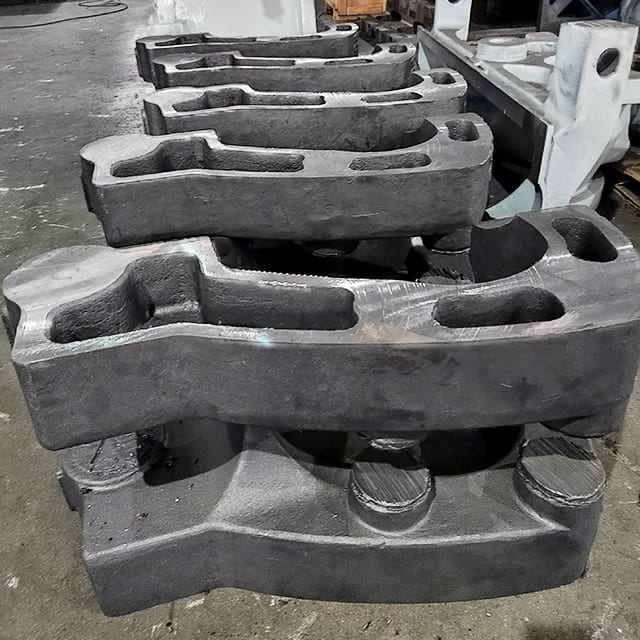
Carbon steel castings are the backbone of many large-scale construction projects. Their strength, versatility, and cost-effectiveness make them the material of choice for critical components. But how do you ensure these castings meet the necessary standards for safety, performance, and longevity?
In this article, we will explore how to specify carbon steel castings for construction projects. You'll learn about material grades, mechanical properties, and the importance of working closely with foundries to ensure the success of your project.
Carbon steel castings are components made by pouring molten carbon steel into a mold to take shape. The result is a solid, durable part used in large-scale construction. This method allows for complex shapes and precise sizes that would be difficult or expensive to achieve using other manufacturing techniques like welding or forging.
● High Strength: Carbon steel is known for its excellent strength, which makes it perfect for heavy-duty applications such as bridges, buildings, and large machinery.
● Impact Resistance: Carbon steel castings are tough and can absorb high-impact forces without cracking, which is essential in dynamic construction environments.
● Weldability: After casting, parts can be easily welded to other structures, offering flexibility in construction design.
These properties are crucial for ensuring that large-scale structures remain safe and durable over time.
When comparing carbon steel castings to other common materials like ductile iron and fabricated steel, several key differences emerge. While ductile iron provides good strength and ductility, carbon steel castings excel in impact resistance and cost-effectiveness. Fabricated steel, on the other hand, is best suited for simpler shapes but falls short in terms of material consistency and strength when compared to castings.
Material | Strength | Impact Resistance | Cost-Effectiveness | Design Flexibility | Ideal Use |
Carbon Steel Castings | High | Excellent | Cost-effective | Complex shapes, precise sizes | Heavy-duty applications, large machinery |
Ductile Iron | Good | Good (with proper grade) | Moderate | High, with some limitations | Parts requiring ductility and strength |
Fabricated Steel | Moderate | Good | Low (high labor & waste) | Limited (simpler shapes) | Basic shapes, low-stress environments |
Choosing the correct material grade and standards is essential for ensuring the right performance characteristics. Common standards include:
● ASTM A27: Standard specification for general-purpose carbon steel castings.
● ASTM A216: Used for pressure-containing parts in high-temperature services.
● ASTM A148: For high-strength structural castings.
Selecting the appropriate grade depends on the specific requirements of the construction project, such as stress levels, temperature resistance, and load-bearing capacities.
Specifying the right mechanical and chemical properties is vital for carbon steel castings. Mechanical properties like yield strength, tensile strength, and elongation determine how the material handles stress and deformation.
Mechanical Property | Description |
Yield Strength | Resists stress without permanent deformation. |
Tensile Strength | Withstands stretching or pulling forces. |
Elongation | Ability to stretch before breaking. |
The chemical composition is equally important. A controlled amount of carbon, along with other elements like manganese and silicon, should be specified to achieve the desired strength and weldability.
Chemical Property | Role |
Carbon Content | Provides strength and weldability. |
Manganese | Increases toughness and reduces brittleness. |
Silicon | Improves weldability and deoxidizes steel. |
Carbon steel castings offer excellent design flexibility, allowing for complex geometries, including internal cavities and varying wall thicknesses. Proper dimensional tolerances should be defined to ensure the castings fit seamlessly within the overall construction. Accurate dimensions reduce waste, save time, and ensure better assembly efficiency.
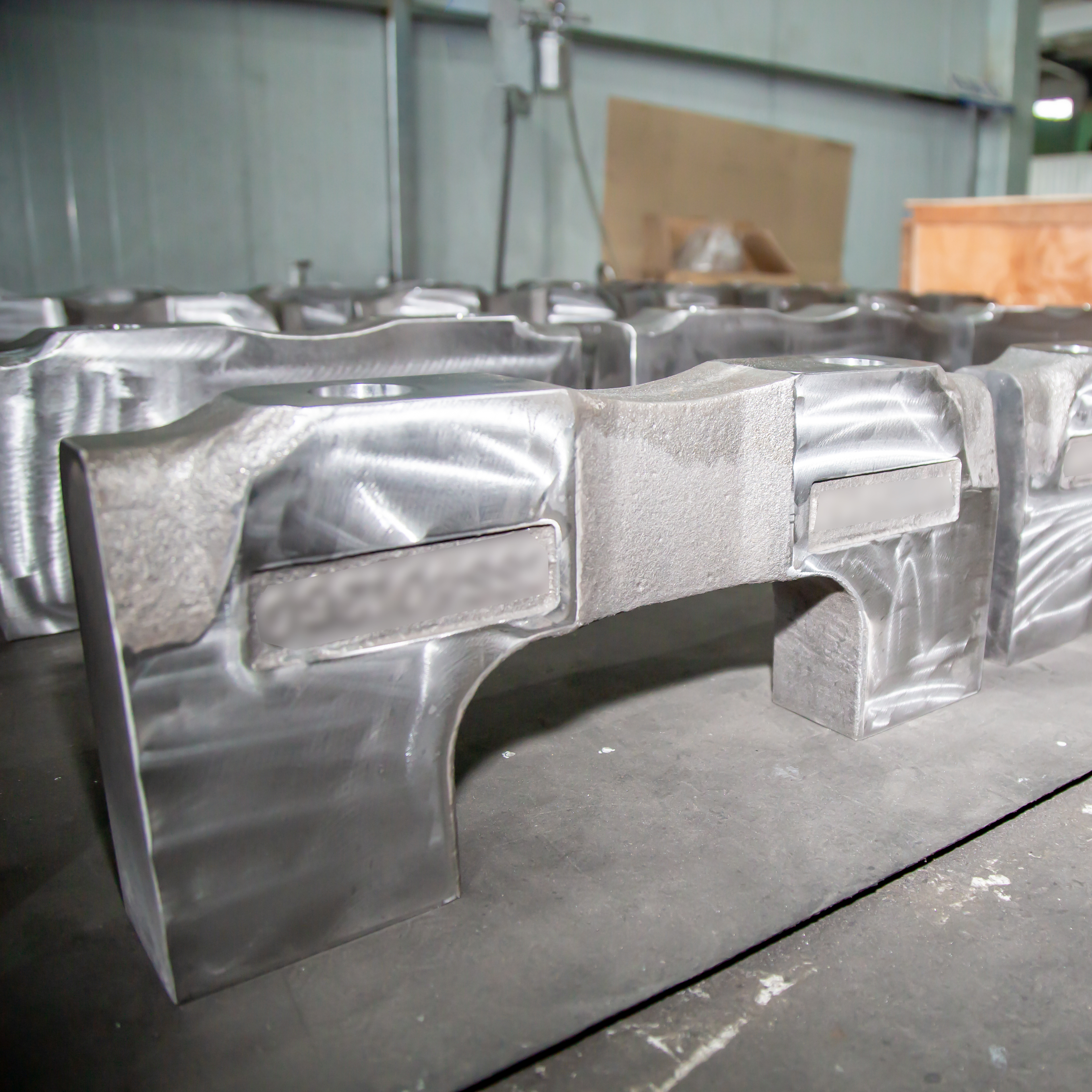
Collaboration with the foundry should begin in the early stages of the project. Foundries can provide crucial input on design considerations, ensuring that the part is castable and that no defects are introduced during the casting process. Early involvement helps avoid costly design changes later on.
Once the design is finalized, it’s essential to specify any post-casting treatments required to achieve the desired properties. These treatments may include:
● Heat Treatment: Such as annealing or normalizing to enhance strength and relieve stresses in the material.
● Finishing: Removing excess material and achieving the desired surface finish, which is critical for both aesthetics and functionality.
A strong relationship with the foundry ensures high-quality castings that meet all project specifications.
Quality assurance is paramount in construction, especially for critical components. Non-destructive testing (NDE) methods such as visual inspection, ultrasonic testing, and magnetic particle testing are essential for ensuring the integrity of the castings. These methods allow engineers to detect internal or surface defects without damaging the part.
Mechanical property testing ensures that the castings meet the required standards for strength and durability. Tests to confirm yield strength, tensile strength, and elongation are typically conducted on test bars cast alongside the actual part. This step verifies that the final casting will perform as expected under real-world conditions.
It’s crucial to maintain full certification and traceability for materials and processes used in the casting. Certification ensures that the castings comply with industry standards and regulatory requirements, while traceability helps track the material’s origin and processing history, which is especially important for large-scale construction projects.
Testing Method | Purpose |
NDE | Detects surface and internal defects. |
Mechanical Testing | Confirms strength and durability. |
Certification | Ensures compliance with standards. |
Traceability | Tracks material origin and history. |
Carbon steel castings are often exposed to harsh environmental conditions, including high temperatures and corrosive elements. To ensure long-lasting performance, it’s essential to select the appropriate grade of carbon steel that can withstand these conditions. In some cases, protective coatings may be required to enhance resistance to corrosion or thermal stress.
Carbon steel castings are often used in parts that experience heavy dynamic loads, such as structural nodes or equipment like cranes and bulldozers. Selecting the right material grade ensures the casting can resist fatigue over time, maintaining structural integrity despite constant stress and impact forces.
Environmental Factor | Consideration |
Corrosion | Use coatings and appropriate material grade. |
Extreme Temperatures | Select materials resistant to heat stress. |
Fatigue Resistance | Choose materials that withstand dynamic loads. |
Impact Resistance | Ensure material can handle constant stress. |
Carbon steel castings provide an optimal balance between strength and cost, making them an ideal choice for large-scale, high-volume projects. The relatively low cost compared to other materials such as high-alloy steels makes carbon steel castings economically viable, especially in mass production.
Due to their high strength and resistance to wear, carbon steel castings are highly durable, contributing to the long lifespan of infrastructure projects. Components made from carbon steel can endure heavy use and extreme conditions, reducing the frequency of replacements and repairs.
One of the main advantages of carbon steel castings is their ability to reduce long-term maintenance costs. The durability and low wear rate of carbon steel parts lower the need for frequent repairs, minimizing downtime and ensuring that large-scale construction projects remain operational for longer periods.
Benefit | Description |
Cost-Effectiveness | Low cost, ideal for mass production. |
Durability | High strength and wear resistance. |
Reduced Maintenance | Lower long-term repair and downtime costs. |
Specifying carbon steel castings for large-scale construction projects involves selecting the right material grade, defining mechanical and chemical properties, and collaborating closely with the foundry. Quality control, post-casting treatments, and NDE testing ensure reliable performance.
Jinhong Shukong Machinery Casting Co., Ltd. provides durable, cost-effective solutions for construction projects. Their products offer exceptional strength and long-lasting performance, ensuring projects remain robust and efficient over time.
A: A carbon steel casting is a component created by pouring molten carbon steel into a mold. It is used for structural and heavy-duty parts in construction due to its strength, durability, and cost-effectiveness.
A: When specifying carbon steel castings, key factors include selecting the right material grade, defining mechanical properties, and ensuring collaboration with the foundry for quality control and dimensional accuracy.
A: Carbon steel casting offers high strength, impact resistance, and cost-effectiveness, making it ideal for critical components that need to withstand heavy loads and harsh conditions in construction projects.
A: Carbon steel castings provide excellent durability, strength, and impact resistance, making them ideal for structural parts and heavy machinery in large-scale construction projects.
A: To ensure quality, specify post-casting treatments, conduct NDE testing, and collaborate with the foundry for precise dimensional tolerances and mechanical properties.
A: Yes, carbon steel castings are cost-effective compared to other materials like alloy steels, especially in large-scale projects that require high volumes of durable components.