

Views: 0 Author: Site Editor Publish Time: 2025-10-09 Origin: Site


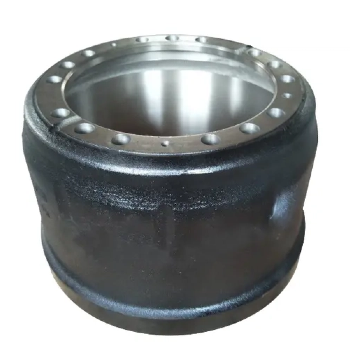
Sand casting is one of the most widely used metal casting processes, and for good reason. It has been around for centuries and remains a crucial part of modern manufacturing across many industries, from automotive and aerospace to energy and heavy machinery. The process involves creating a mold from sand, which is then filled with molten metal to form a part. Due to its flexibility, affordability, and ability to create complex shapes, sand casting is the preferred method for producing a wide range of components.
In this article, we will explore why sand casting is preferred, its advantages, and how it stands out among other metal casting methods. Additionally, we will delve into the factors that make it a go-to choice for manufacturers and industries that need high-quality, durable parts.
Before diving into why it’s preferred, it’s important to understand the sand casting process itself. Sand casting is the process of forming a mold out of sand, which is then used to shape molten metal into a specific form. The metal is poured into the sand mold, which cools and hardens, taking the shape of the mold cavity. After the metal has solidified, the sand mold is broken apart, revealing the final part.
The primary materials used for sand casting include sand, clay, water, and binders to help create the mold. Various metals can be used, including aluminum, steel, bronze, brass, and cast iron. The process is used to create both small and large parts, from intricate components to heavy-duty structural pieces.
One of the biggest advantages of sand casting is its cost-effectiveness. The materials used to create the mold—primarily sand—are inexpensive and widely available. This makes the process an affordable choice, especially for small to medium-sized businesses or those looking to produce large quantities of parts at a reasonable cost.
Unlike other casting processes, such as investment casting or die casting, sand casting does not require expensive mold tooling or complex machinery, making it a more budget-friendly option for manufacturers. The cost savings are especially evident in the production of small, medium, and even large parts, where tooling for other casting methods could be prohibitively expensive.
Sand casting is versatile in terms of the metals that can be used. It can accommodate a wide range of ferrous and non-ferrous metals, including cast iron, steel, aluminum, copper, and bronze. This versatility allows manufacturers to choose the best material for their specific application, whether it's for strength, heat resistance, or corrosion resistance.
Whether you are producing lightweight components for the automotive industry or high-strength parts for the aerospace sector, sand casting offers the flexibility to work with various metals, which is an important consideration when choosing a casting method.
One of the most significant advantages of sand casting is its ability to create complex and intricate shapes that would be difficult or impossible to achieve using other methods. The mold created from sand is highly adaptable and can be designed with fine details, hollow cores, and intricate geometries.
Sand casting is particularly useful for parts with internal cavities, undercuts, or complex surface features. The molds can be formed to precisely mirror the desired design, allowing for high levels of customization. This capability makes sand casting ideal for industries like aerospace, automotive, and energy, where precision and complexity are essential.
Sand casting is suitable for parts of various sizes, from small components weighing a few ounces to large and heavy-duty parts weighing several tons. Whether you are manufacturing tiny intricate parts or massive components for construction or mining equipment, sand casting can accommodate a wide range of sizes.
For example, in the automotive industry, sand casting is commonly used to produce engine blocks, cylinder heads, and other components. In contrast, industries like construction, mining, and power generation rely on sand casting to create massive parts such as gearboxes, valve bodies, and turbine casings.
The process of creating molds for sand casting is relatively straightforward compared to other casting methods. The pattern used for mold creation can be made from various materials, including metal, wax, or even plastic, but sand is the most commonly used mold material. The ability to create molds quickly and at a relatively low cost makes sand casting an attractive choice for businesses that require fast turnarounds.
Another key advantage is the reusability of sand molds. The sand used in the casting process can be reused multiple times. After each casting, the sand can be cleaned and reprocessed for future use, making sand casting a more sustainable and cost-efficient choice over the long term.
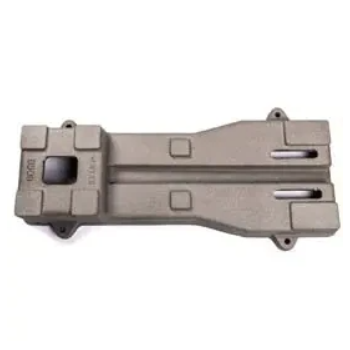
Due to its simplicity and the availability of low-cost materials, sand casting can be completed in relatively short lead times. After the design is finalized, the mold can be made and the metal poured relatively quickly. This makes it ideal for applications where time is of the essence, such as in emergency repairs, rapid prototyping, and industries with fast production cycles.
In some cases, the mold-making process for sand casting can take just a few hours or days, depending on the complexity and size of the part. The ability to quickly produce a mold and cast metal parts ensures that sand casting remains a popular choice in industries requiring fast production.
Sand casting is capable of handling both low and high-volume production runs. For low-volume production, the mold-making process is relatively inexpensive, making it suitable for small batches of parts. On the other hand, for high-volume production, sand casting can be scaled up by using automated systems that quickly and efficiently produce parts in large quantities.
This scalability makes sand casting suitable for a wide range of applications, from one-off custom parts to mass-produced components in industries such as automotive, aerospace, and heavy machinery.
Another key benefit of sand casting is its ability to minimize material wastage. The mold created from sand can be used efficiently, and the amount of scrap material generated during the process is typically low. Additionally, sand itself is a reusable material, meaning that once a mold has been used, it can be broken down and reused for subsequent casting cycles.
This reduces waste and supports sustainable practices within the manufacturing process. In industries where material costs can be high, the ability to reuse molds and reduce scrap material is an important factor that makes sand casting an economical choice.
Parts created using sand casting are known for their durability and strength. This is especially important for industries where components are exposed to extreme conditions, such as high heat, pressure, or heavy wear. The casting process ensures that the final product has the required strength to withstand these challenging conditions, making sand casting ideal for industries like energy, automotive, and mining.
Compared to other casting methods such as die casting, sand casting requires lower tooling costs. This is because the molds are created using sand and other relatively low-cost materials, rather than expensive dies or molds that need to be maintained and replaced frequently.
The lower tooling costs make sand casting more accessible to smaller manufacturers or businesses working with limited budgets. This also enables companies to experiment with new designs or create custom one-off parts without the high cost typically associated with other casting methods.
Sand casting offers a wide array of advantages, making it the preferred method for manufacturing a broad range of metal parts across various industries. Its versatility in terms of materials, ease of mold creation, cost-effectiveness, and ability to produce both small and large parts make it an indispensable part of modern manufacturing. Sand casting also excels at creating complex shapes, ensuring that businesses can meet the needs of their customers with precision and quality.
Whether for high-volume production or one-off custom parts, sand casting remains a reliable, economical, and efficient solution. The ability to work with a variety of metals, produce durable parts, and quickly generate molds makes it an essential process for industries such as automotive, aerospace, energy, and heavy machinery.
For those looking to leverage the benefits of sand casting, Jinhong Shukong Machinery Casting Co., Ltd. offers top-notch services. With years of experience in producing high-quality castings, they can provide you with durable and precise sand-cast components tailored to your specific needs. Their commitment to quality ensures that you can rely on them for all your casting needs, regardless of the complexity or size of the project.


